
Turning Back Time
Cushing’s is not just a cosmetic problem. Living with Cushing’s disease can be challenging and distressing for both you and your pet. Lifelong, relentless clinical signs can significantly diminish quality of life and spark problematic behaviours.
Management of Cushing’s syndrome
Cushing’s can be managed — and many dogs improve quickly.
% improved clinical signs in 28 days after starting trilostane capsules treatment:[2]
Activity: 77%
Appetite: 55%
Panting: 76%
Thirst: 61%
Urination: 63%
With the right treatment and monitoring, many dogs show visible improvements in their energy, behaviour, and overall quality of life.
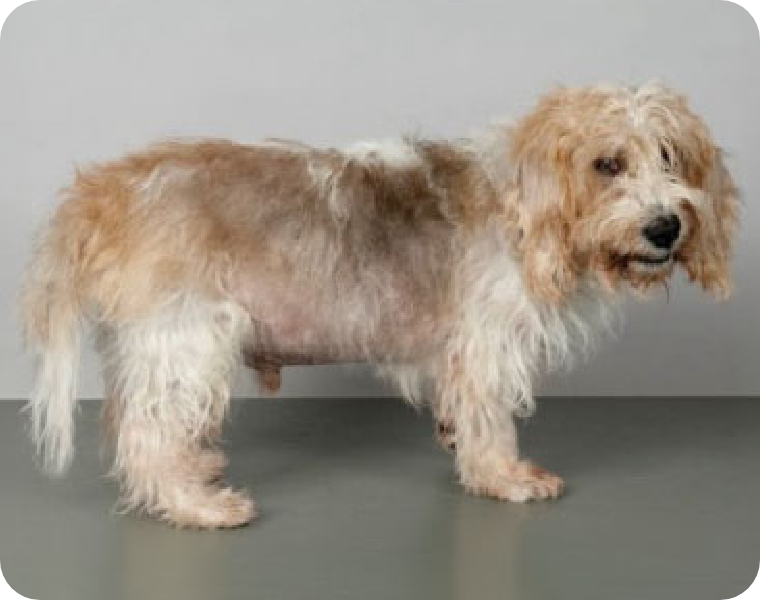
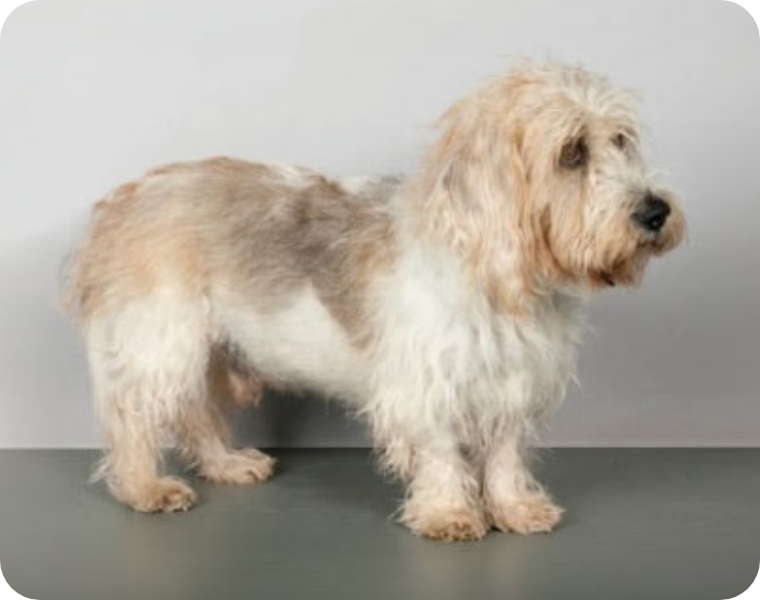
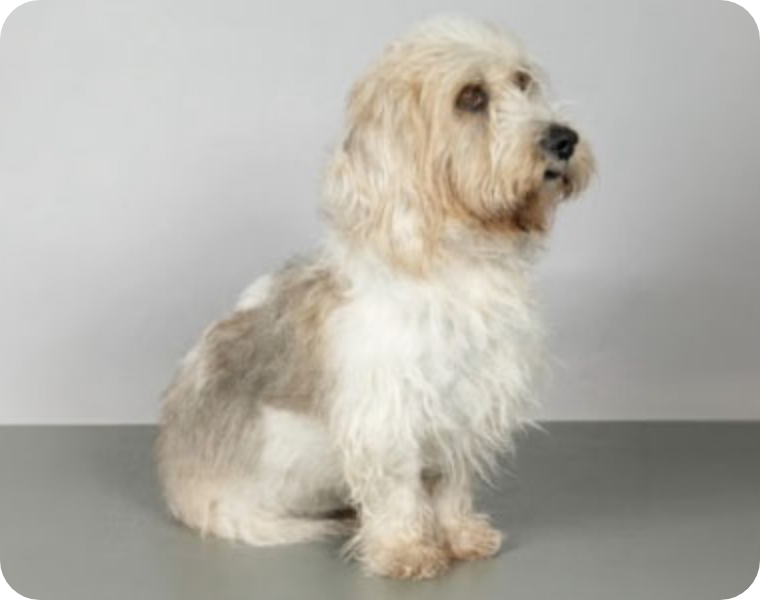
Meet Rufus, when he was diagnosed with Cushing’s, and see the progress made with Trilostane capsule treatment:
Start
Month 3
on Trilostane Capsules
Month 6
on Trilostane Capsules
Treating Cushing’s in dogs
The goal of treatment is to help improve their symptoms and overall quality of life by controlling the amount of cortisol in your dog’s body.
For most dogs, treatment involves a daily medication prescribed by your veterinarian.
This medication helps to:
- Reduce excessive cortisol
- Improve common symptoms over time
- Support your dog’s energy and quality of life
Trilostane Capsules are the only approved treatment in Canada for managing Cushing’s in dogs.
What improvements might I see?
With treatment, many owners begin to notice positive changes such as:
- Drinking and urination returning closer to normal
- Improved energy and activity levels
- Less panting
- A return to more typical behaviour
Every dog is different, but these improvements can make a meaningful difference in their daily life.
Does the medication have any side effects?
Most dogs tolerate Trilostane Capsule treatment for Cushing’s very well and do well on long-term therapy.
Ongoing care and monitoring
Cushing’s is a life-long condition, which means your dog will need regular checkups with your veterinarian.
These visits help to:
- Make sure treatment is working well
- Adjust the dose if needed
- Keep your dog feeling their best
You’re not alone in this
Your veterinarian will guide you through each step and help you choose the best approach for your dog. With the right care, many dogs with Cushing’s continue to enjoy a good quality of life for years to come.
Does my dog require a special diet for treatment?
Successful management of Cushing’s requires either medical or surgical treatment, and diet change isn’t required for a successful outcome. However, your veterinarian may also suggest some nutritional support, tailored specifically to support dogs with a hormonal disorder.